

Intro
Basics
Skills
Growth
Health
Faith
Prep
Misc


Potato planting
Fall, Spring and Summer we are in our gardens. Probably we spend more time out there in the garden than we spend on any other single project. Having already talked about some benefits our family sees with cultivating our own garden, I am now going to move on. Have fun.

A rooftop view of the upper garden.
What do I mean when I say we 'garden'. Well we prepare, plant, cultivate, and harvest our gardens. But first, where did that dirt come from?

Craig & sons unload leaves into the garden.
Where did it come from?
Well, from between the rocks, naturally. (Actually we try to remove those rocks, so it's no longer between them.)
When we started gardening here around 1988, there already was a small old garden patch, albeit without much depth of topsoil. Since then we have built up that patch, expanded it in all directions and added another garden, as we have had time. While that process of turning New England forest into

Nathanael & Caleb empty leaf bags.
We start by removing the trees and brush; we cut and stack them for future firewood. Removal of the boulders and stumps really requires some sort of machinery. We have bartered tractor use from local farmers, usually in exchange for repair

Nathanael makes rows for potatoe.

Zechariah rototills the garden.
So that's where the dirt under our fingernails comes from. Now,

Craig & Nathanael chip the garden remains.
Gardening is a lot of work from early Spring to late Fall. Every Fall we must prepare the soil for next year's crop. After pulling and chipping all of this years vegetable plants the ground must be tilled under. Then organic matter like mulch, leaves, manures, hey and compost must be added. All this is turned under. While rototilling we pull out whatever rocks we can. If it gets cold enough, winter will kill many bugs and pests, preventing the need to spray so much next year. This permits for almost spray free vegetables.

Caleb picks rocks.
Tip. When we put lots of leaves into our gardens in the fall and not enough nitrogenous material like manure, they sometimes do not break down quickly enough to be good dirt by the following spring. All those leaves mixed into the dirt makes it nearly impossible to plant seeds and young seedlings. The clumps and layers of leaves smother and crush the plants. With more manure the leaves break down more quickly and become usable in time for spring planting.

Julia transplants seedlings.
The miracle of new life springing forth from seeds each Spring is witness that God's promises are ever true for "While the earth remaineth, seedtime and harvest, and cold and heat, and Summer and winter, and day and night shall not cease." (Gen 8:22) Planting for us takes place over a period of time. It starts approximately 12 weeks before the average last frost when we start seedlings indoors consisting mainly of tomatoes, peppers, herbs, flowers and sometimes cauliflower and melons. This gives these longer growing plants a head start so they can, Lord willing, produce a crop before cold weather kills them. This is particularly important the farther north you go.

Hannah planting.
Tip: Plants started indoors are very tender, it is therefore necessary to introduce them to the sun and wind of the garden gradually so that they do not die. Take your plants outside for 1/2 - 1 hour each day while they adjust to the harsher environment. This allows them to grow strong before you plant them in the garden. This process is called hardening off.

Sarah planting potatoes.
Next the cold weather crops get planted outside. These consist of all those plants that don't mind frosty nights like lettuce, spinach, peas, beets, kale, broccoli and cabbage. After all danger of frost is past and the soil has warmed up we plant the rest of our crops. (Any good gardening book should have instructions on what to plant when.)
I always looked forward to planting time when I was little; my favorite was planting potatoes, which is a fun and easy job for those who don't have to dig the trenches. We were so eager to plant our gardens the Spring after our last seventh year rest that we got everything in the ground nice and early only to loose it all to a late frost! Sometimes set backs can be rather major.

Jeremiah uses seeder.
Bugs can be a huge problem when the gardens are just coming up. Cut worms and army worms are the first that we have to fight. Emerging from the soil they crawl along until they find a plant then proceed to snip the top off. We put a small tin can around each transplanted seedling which protects the majority of them from these devourers.
Some plants grow best on fences like cucumbers, peas and pole beans. We like to grow at least part of our snap green beans as pole beans. They are so much gentler on the back when it comes to picking than bush beans, although they do take longer to mature.
It's a long time till harvest so don't get worn-out yet, the weeds are now on their way. Ready, set, weed!

Ammi weeds corn.
Every Spring after the plants in the garden have established themselves, we put down cardboard for the purpose of limiting how much weeding we have to do.

Joanna weeds corn too.
Before we started putting down cardboard we had to weed all the gardens all summer long, it was an immense amount of work.
The cardboard has probably saved hundreds of hours; it was a very good transition for us.
Tip: Put the cardboard close up to the plants
Tip: Weed regularly so that you stay ahead of the little weeds, it's really hard to catch up when you have gotten behind and big, well established weeds often damage the good plants when you do finally rip them out.

Zechariah planting peas.
The main thing that we do to protect against varmints, which in our garden are deer, raccoons and woodchucks, is that we have put up a fence all along the woodward side of the garden. We also put the fences that we grow peas and cucumbers on, on that side of the garden so that there are multiple rows of fencing protecting the garden from the woods creatures, this seems to keep the deer out quite well. Of course wood chucks have no problem digging under the fence and raccoons can just climb over the top, so we have to trap and hunt them to keep their population down so that they will leave our garden alone.

Joanna picks potato bugs.
For pest and disease control in our garden we try to use sprays and dusts as they are the least time consuming, however, for some things like Colorado Potato Beetles we put in hundreds of hours annually picking them by hand. This does not mean that we do not spray them just that we do not spray them as often. Overall we do not spray very much. The main things we have problems with are Mexican Bean Beetles, Colorado Potato Beetles and Cabbage Loupers. Between them they infect almost everything in our garden. We try to stay organic but sometimes we are more successful than other times.

Caleb's squash
When garden produce begins coming in and when it is finished for the season is largely dependent on the year. Usually by June we will be getting lettuce and peas. The apples come in fairly late, but it is usually spinach and kale that hold on the longest. We have even picked spinach in late November. Tomatoes, peaches, and corn come in fairly quickly. While some crops can be ignored for a short time, these three have to be dealt with immediately. Between 30 and 40 percent of our food comes from our garden, so when produce is coming in, it has priority over most

Sarah picks peas
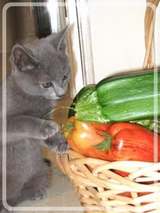
Little Grey checks out the produce.
During harvest, we eat quite a bit of fresh vegetables. One of my favorites is the Tomatillo. A member of the tomato family, this small bush produces delicious fruit in a paper husk. The produce tastes more like a fruit than a vegetable. (Technically Tomatoes are a fruit, but we don't put them in our fruit salad. tomatilloes however make a nice addition to a fruit salad).
Copyright © 2006 The Stover Family - all rights reserved.
(The following links open your email program)
 tell a friend about this page
Copyright 2007-2026 Practical Legacy - all rights reserved
